 Cart
Cart


Museum of Fine Arts, Houston
1001 Bissonnet StHouston, TX 77005
guestservices@mfah.org
713-639-7300
www.mfah.org/
Museum of Fine Arts, Houston
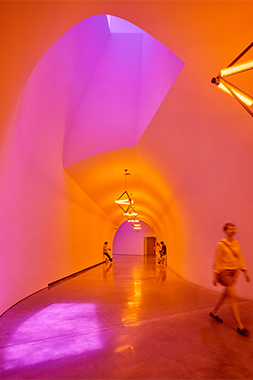
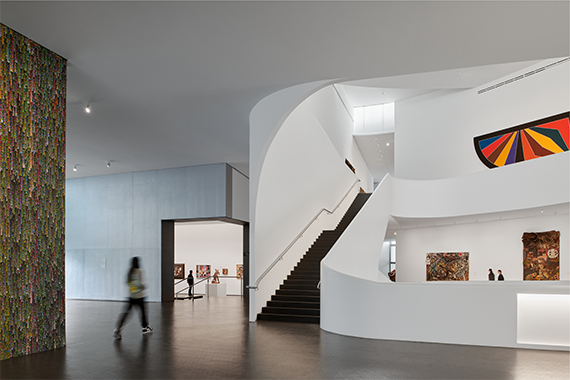
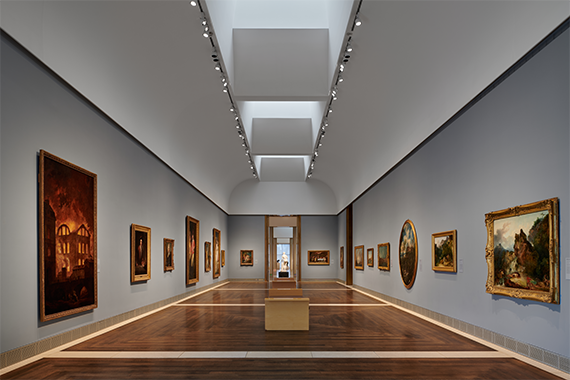
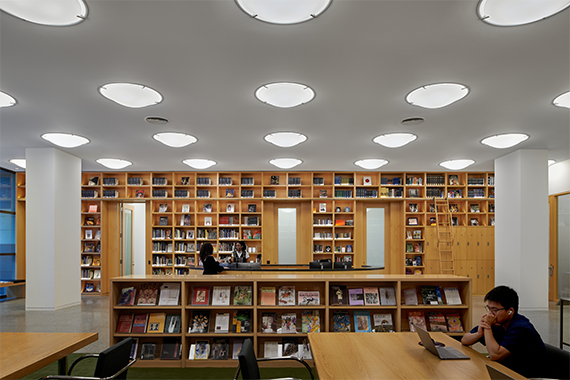
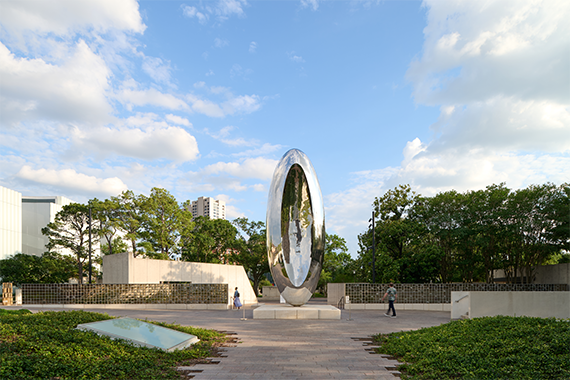
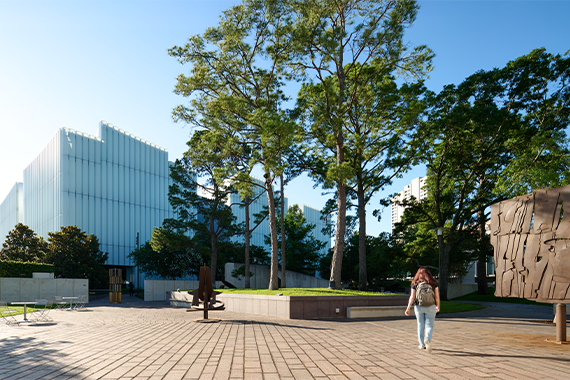
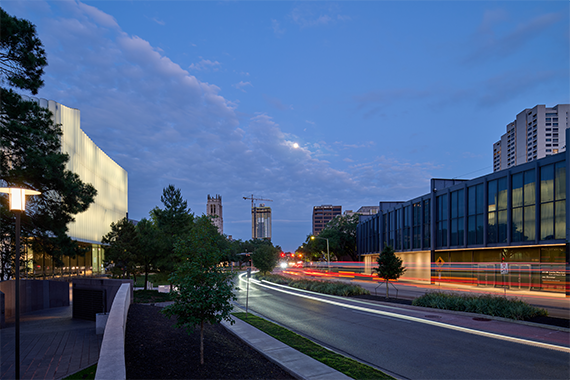
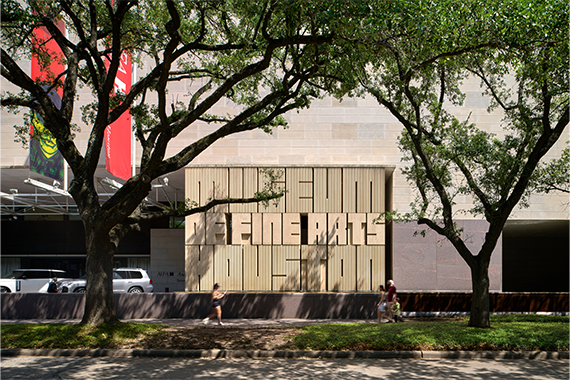
Imagine a place where curiosity is the only credential—where all the diverse communities in Houston can come together as one, united by a shared passion for history, art, and knowledge. We can only be talking about the Museum of Fine Arts, Houston (MFAH), one of the largest museums in the United States with nearly 80,000 works spanning more than 5,000 years of culture. Located on a 14-acre campus in Houston's Museum District, the MFAH features permanent collections, special exhibitions, learning and interpretation programs, studio instruction, publications, conservation, and scholarly research.
In the spirit of making art as available as possible, the museum offers several ways to visit for free. Children age 12 and under are always admitted at no charge, as are active-duty U.S. military members and their families, artists with work in the MFAH's permanent collections, and Texas Lone Star Card (SNAP, TANF, or WIC) holders, who can bring up to six guests from the same household. Texas public library cardholders age 18 or younger get in free on Saturdays and Sundays. And every Thursday, admission to the MFAH's Permanent Collections is free for everyone, courtesy of Shell USA—though on Thursdays, Special Exhibitions still require a separate, discounted ticket. Outside of free admission, All Access tickets run $24 for adults, $20 for seniors (65+) and youth (13–18), and are free for children 12 and under.
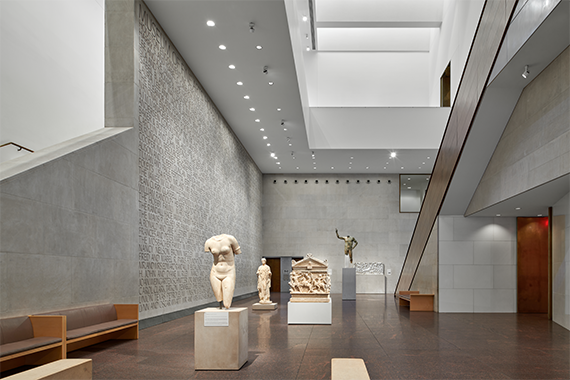
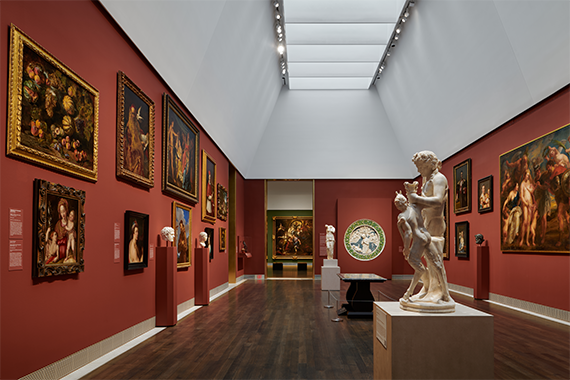
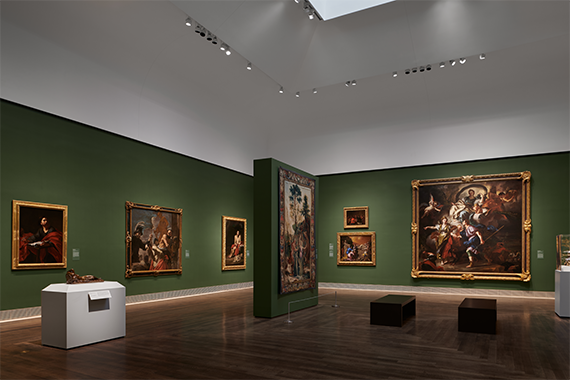
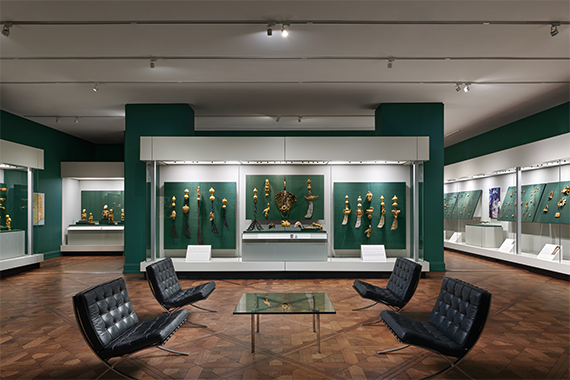
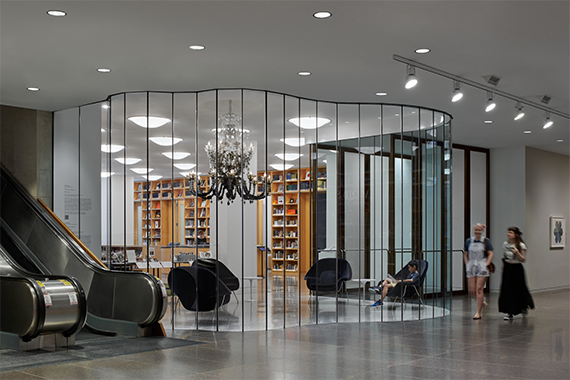
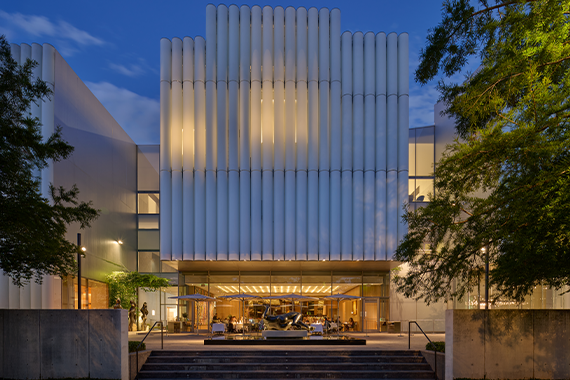
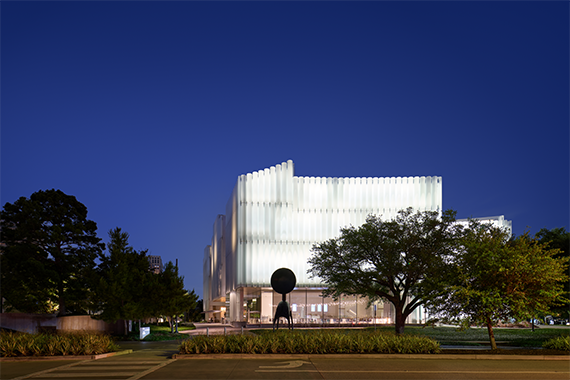
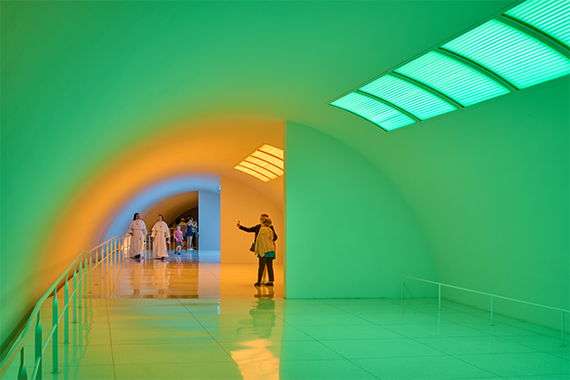
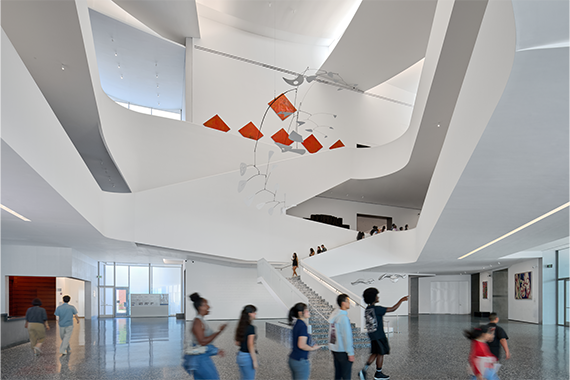
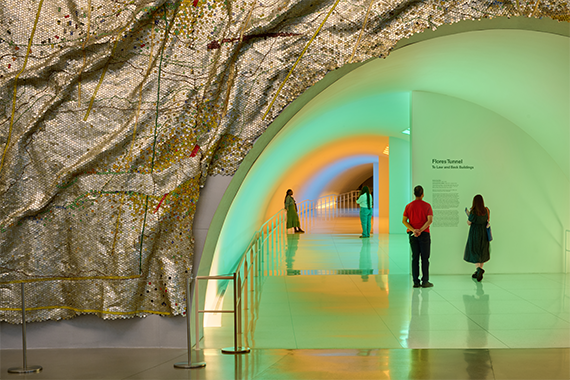
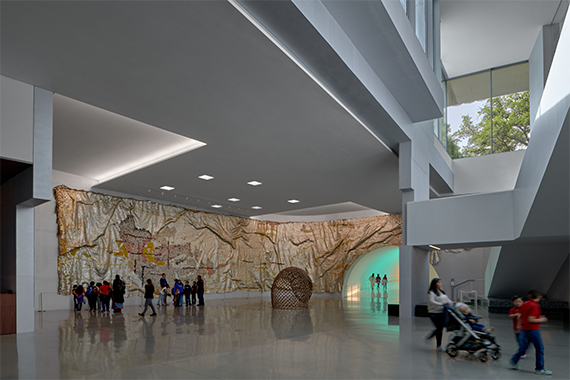
Okay, so you're playing hooky from work on Thursday. Now you need to plan your day at the museum. First thing to know is that most of the exhibits are located across three gallery buildings on the Sarofim Campus in Houston's Museum District—the Caroline Wiess Law Building, the Audrey Jones Beck Building, and the Nancy and Rich Kinder Building—where you'll find an antiquities collection, 19th-century American masterworks, and Indigenous North American jewelry, among the museum's encyclopedic holdings. For film buffs, the Museum now has two dedicated venues: the historic Brown Auditorium Theater and the newer Lynn Wyatt Theater in the Kinder Building. Both are equipped for digital and 35mm projection, and together they make the MFAH the only place in Houston still screening films on reel-to-reel film.
When you're ready to rest your legs, get lunch at one of the museum's delicious restaurants, Café Leonelli and Le Jardinier. These aren't the culinary afterthoughts you find at an airport or arena, either. Café Leonelli is a casual lunch spot with traditional Italian cuisine (there's also a smaller Café Leonelli outpost at the Glassell School of Art). Le Jardinier provides a Michelin-starred experience of the best French cuisine has to offer, serving lunch, dinner, happy hour, and brunch. Their seasonal menus are a reminder that art doesn't just look good; it can taste good, too.
MFAH’s House Museums
In addition to the main campus, the Museum of Fine Arts, Houston has two historic house museums that display American and European decorative arts in the nearby River Oaks area, a few miles from the main campus.
Bayou Bend
Ima Hogg may inspire giggles in schoolrooms across the Houston area, but her former home is no joke. In fact, it's one of the finest collections of American decorative art in the entire country. Bayou Bend showcases American furniture, silver, ceramics, and paintings across 14 acres of organically maintained gardens.
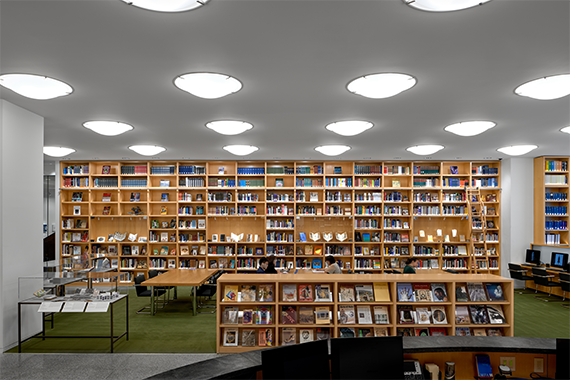
With its colorful interiors, quirky artworks, and stately dining ware that'll improve your posture just by looking at it, Bayou Bend is open year-round for tours and special programs. Worth noting is that the house museum includes the Lora Jean Kilroy Visitor and Education Center, as well as the Kitty King Powell Library and Study Center, which is home to the William J. Hill Texas Artisans and Artists Archive.
Rienzi
About two miles from Bayou Bend, Rienzi spotlights the beauty from the other side of the pond—the Atlantic pond, that is. This European decorative arts museum sits on four wooded acres that feel more like the English countryside than Houston's suburbs—in other words, more tea and crumpet than coffee and kolache.
Designed by architect John Staub in 1952 for philanthropists Carroll Sterling Masterson and Harris Masterson III, Rienzi opened to the public in 1999. The collection runs deep: porcelain, paintings, furnishings, and miniatures that will have you feeling like you stepped into a Jane Austen novel. Beyond regular tours, Rienzi hosts lectures, music performances, and family programs. (Note: Rienzi closes for the month of August each year, so double-check hours if you're planning a late-summer visit.)
History of the MFAH
The MFAH origin story starts the way a lot of great Texas things do: with a modest spark of ingenuity, passion, and hard work.
It all started in 1900 when a women's volunteer organization started bringing art reproductions into Houston classrooms. Before long, Houston started to catch the art-collecting bug and quickly graduated from reproductions to the real thing. Land was secured at Main Street and Montrose Boulevard, and in 1924, Houston got its first proper art museum. Above the door, the inscription read: "ERECTED BY THE PEOPLE FOR THE USE OF THE PEOPLE." Inside, the museum housed 60 works of art.
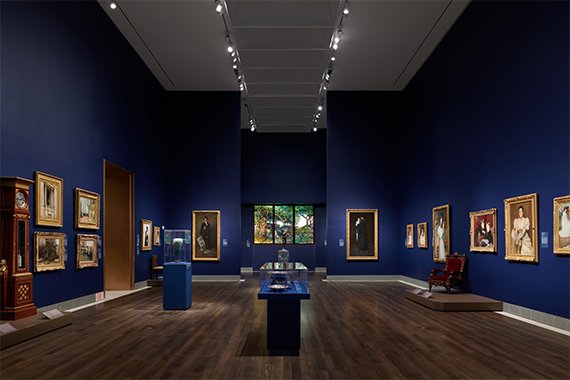
A century later, those 60 works have become nearly 80,000. What began as a European and North American focus has sprawled into the kind of encyclopedic collection that makes you marvel at the reach of humanity's creative spirit: Asian art, African art, Latin American art, Pre-Columbian and African gold, Islamic art, Judaica, decorative arts and design, photography and video, and textiles. The campus itself grew alongside the collection, adding the Audrey Jones Beck Building in 2000 and the Nancy and Rich Kinder Building in 2020.
From that initial seed of volunteer women, the MFAH grew into a magnificent beacon of art that represents the city of Houston at its very best: sprawling, ambitious, and diverse.





.png)