
 Cart
Cart


Austin, TX 78705
(512) 974-6700
austintexas.gov/historicATXparks

4 East Austin Parks Where Cultural History Runs Deep
When Austin's summer heat sets in, the parks fill up fast—but the most meaningful ones aren't always the most crowded. Behind the swimming pools, baseball diamonds, and shaded picnic tables of these four historic Austin parks lie the stories of the city's Black and Latino communities, who built places to gather, cool off, and find joy when the rest of the city's recreation was closed to them. These parks remain alive today as places to swim, play, and learn the deeper history of Austin all at once.
Rosewood Neighborhood Park
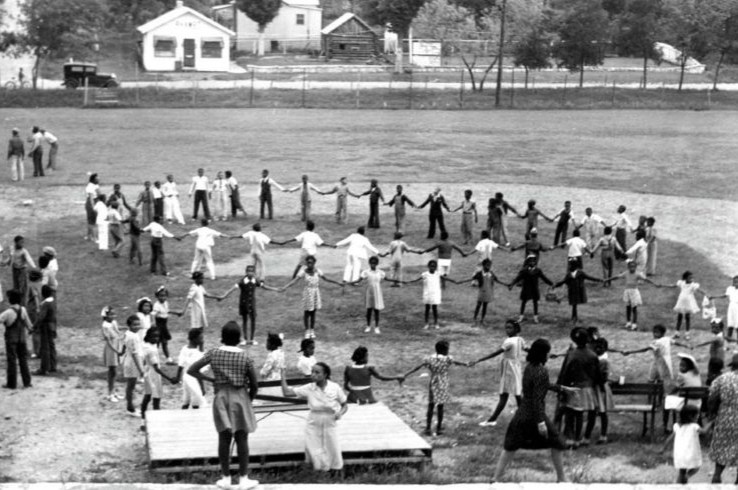
Rosewood Neighborhood Park opened in 1929. At the height of segregation, the park was the only municipal outdoor space for the city’s African Americans to enjoy. It offered a clubhouse (the historic home of the former property owners), baseball diamonds, and a playground. For years, white Austinites could swim at Barton Springs and Deep Eddy Pool, while Black Austinites were denied access to those facilities until Rosewood Pool opened in 1930. The park became a popular gathering place for recreation and events, like the Miss East Austin Pageant, which originated at the pool. The 1944 Doris “Dorie” Miller Auditorium hosted WWII-era USO shows for Black service members and later became part of the “Chitlin’ Circuit,” hosting legends like Ella Fitzgerald and Nat King Cole.
Today, Rosewood Park is still a happening place with pickleball, swimming, a splash pad, and the annual Juneteenth celebration, a fixture for almost 100 years. While you’re there, visit the historic 1863 Henry G. Madison Cabin, which belonged to Austin’s first African American City Council Member during the Reconstruction Era.
Nearby, Downs Field dates back to 1929 and is currently home to the Huston-Tillotson University Rams Baseball. For baseball fans, this field is a cherished space. Hometown hero Willie Wells and other Negro League Baseball stars played here. The 10-foot-high mosaics at the field honor several legendary players, including Toni Stone and Satchel Paige.
Parque Zaragoza
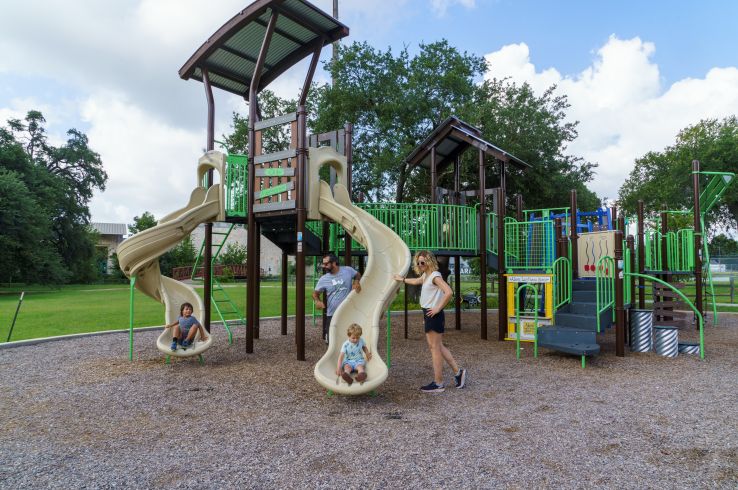
When Parque Zaragoza opened in 1931, it became the heart and soul of many in the surrounding Mexican American neighborhood in East Austin. With its pool, playground, iconic bathhouse, and baseball diamond, once home to a Mexican American baseball league, the space became a lively hub for community, culture, and connection.
You’ll find that same sense of community here now, along with basketball and volleyball courts, a gym-equipped recreation center, and an inviting, seasonal pool.
The park, by the way, takes its name from General Ignacio Zaragoza, the military commander who defeated the French Army at the Battle of Puebla on May 5, 1862. It’s no surprise that the park hosts some of the city’s liveliest celebrations for Cinco de Mayo and Diez y Seis, commemorating Mexico’s independence from Spain. Throughout the year, Parque Zaragoza also brings the community together with festivals, family gatherings, and cultural events that reflect the neighborhood’s rich traditions.
Pan American Neighborhood Park
Pan American Park opened in 1956 to serve the Latino residents of the neighborhood. More than the sum of its parts, the park and recreation center, originally established down the street in 1940, was a second home for many families. Whether it was teaching English, helping with citizenship applications, or housing the Pan Am Boxing Club, the Rec Center supported the community. The A.B. Cantu Recreation Center was even named for Oswaldo “A.B.” Cantu, a community pillar whose hard work led Pan Am’s boxing gym to become one of the most well-respected in the area shortly after he started the Pan Am Boxing Club in 1956.
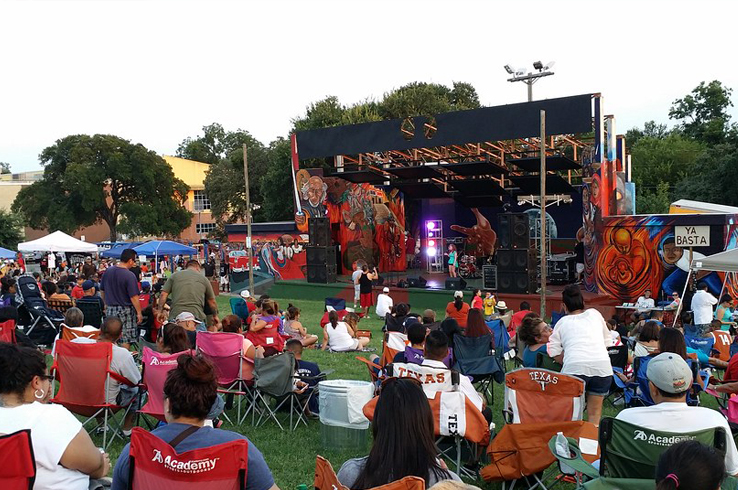
When you visit this lively park, you’ll find pickleball courts, softball fields, and a playground. The real star of the park is the historic Hillside Theater. Grab your lawn chair and head to the Pan Am Summer Hillside Concert Series on Tuesday nights in July and enjoy a picnic set to Tejano music. It’s the longest-running free concert series in Austin. In a city filled with music, that speaks volumes!
Givens District Park
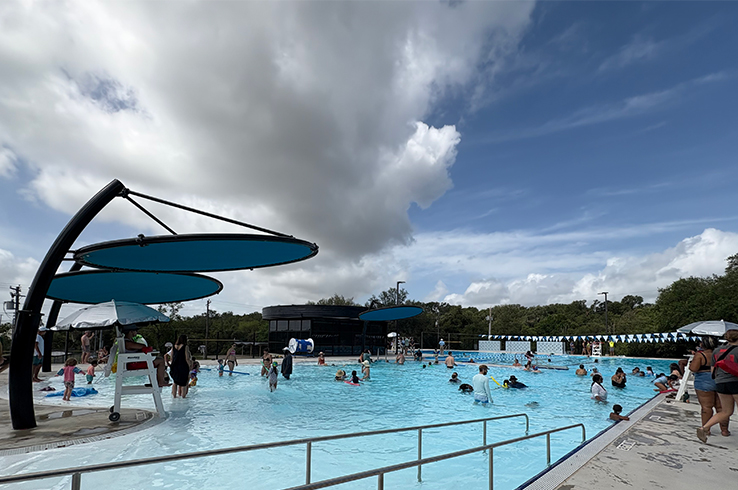
East Austin’s Black community quickly outgrew Rosewood Park. Thanks to civic leader, WWI veteran, and dentist, Dr. Everett Givens, for whom the park is named, the expansive Givens Park opened in 1959. The park transformed the neighborhood with expansive green spaces, a massive outdoor pool complex, and sports fields that are still buzzing with activity today. From the historic Miss East Austin Pageant to today’s slab shows, Givens Park has long served as a gathering place for events. For visitors, it offers a glimpse into East Austin’s rich community history while remaining a lively gathering place filled with recreation, culture, and local character.
Today, you can chill in the beautiful, refurbished pool, pick up a basketball game, or take a quiet walk through the park's wooded edges. Whatever brings you in, Givens belongs on the East Austin list.
Four Parks Where History Lives On
History is often thought of as something that collects dust or sits behind glass. But the best way to appreciate and learn history is by keeping it alive. That’s exactly what each of these parks strives to do. The music still plays. The pools still open every summer. The Juneteenth gathering still draws the crowd it’s drawn for generations. These parks have spent nearly a century being lived in rather than looked at. This summer, bring your family and help us write the next page in their storied histories.
About the Author: Teresa Otto is a Texas-based freelance writer, photographer, and avid curler (yes, Houston has a curling club!). When she’s not traveling the world, she serves as a waitress and housekeeper for two rescued cats and a dog.


Austin, TX 78705
(512) 974-6700
austintexas.gov/historicATXparks